
The Real Deal on 510 Thread Batteries and Why Your Cartridge Needs One
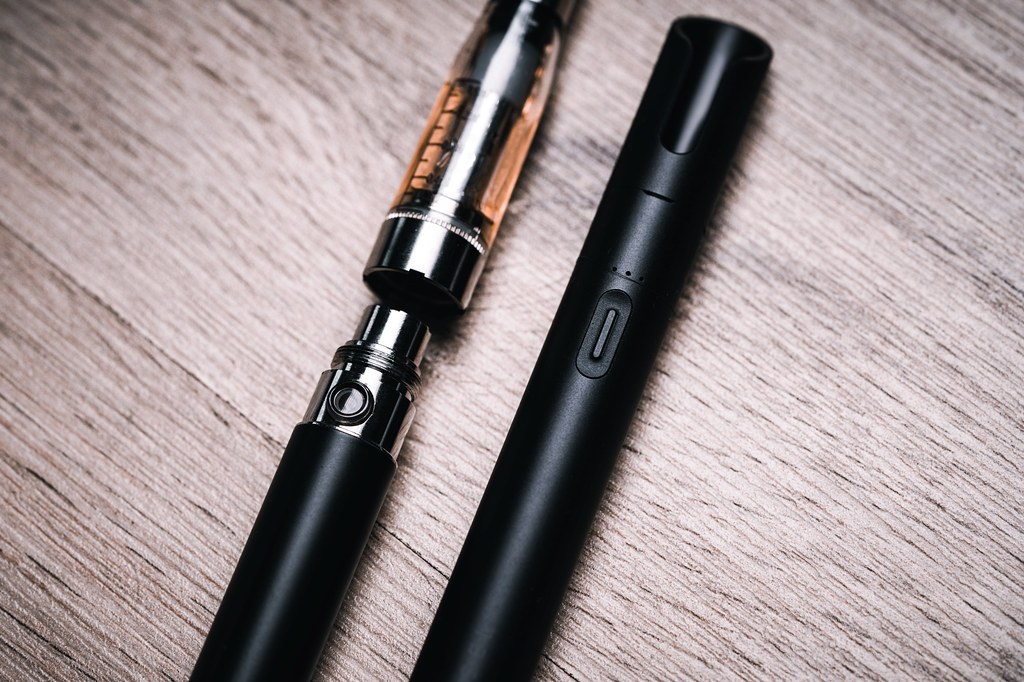
You’re sitting on your couch, finally settling in after a long Tuesday, and you reach for that premium cartridge you picked up over the weekend. You screw it onto your old, scratched-up battery, take a pull, and… nothing. Just a dry, burnt taste that lingers like bad coffee. It’s a frustrating, expensive mistake that happens way more often than it should.
Most of us have been there. You spend a premium price on high-quality distillate or live resin, thinking you’re getting the best experience possible, but the hardware you’re using is effectively choking the life out of your oil. It’s like putting cheap, low-octane fuel into a high-performance Italian sports car and wondering why the engine is knocking. The battery is the engine of your vaping setup.
The good news is that most of the industry uses a standardized connection, which makes things easy. If you have a cartridge with a screw-on base, you are likely dealing with the industry standard. Once you understand how these power sources work, you won’t keep wasting money on subpar hardware that ruins your expensive extracts.
The Mechanics of Universal Threading
When people talk about 510 thread batteries, they’re talking about a specific type of connection. A 510 thread battery is a rechargeable lithium-ion power source with universal threading that fits virtually all vape cartridges. This means, in theory, you can buy a battery from one brand and a cartridge from another and they should play nice together. It’s a convenience that saved the industry from total chaos years ago.
The “510” refers to the diameter of the threading, measured in thousandths of an inch. It’s a tiny, precise screw mechanism. Because this standard is so widespread, you aren’t locked into a single ecosystem like you are with proprietary pods or closed-system disposables. You have the freedom to swap things out as you find what works for you.
However, “universal” doesn’t mean “perfect.” While the screw part might fit, the electrical connection, the little gold-plated pin at the bottom, is what actually does the heavy lifting. If that pin doesn’t make solid contact with your cartridge, or if the voltage is too high, you’re going to have a bad time. You might burn the coil inside your cartridge, which ruins the flavor and makes the oil taste like burnt hair.
This is why choosing a quality power source matters more than the oil itself. You can have the most incredible, terpene-heavy live resin in the world, but if your battery sends a massive, unregulated surge of electricity through it, you’ve just wasted twenty dollars. You need control. You need consistency. You need to know that the device in your hand won’t betray you halfway through a session.
Picking the Right Tool for Your Lifestyle
Not all batteries are built for the same purpose. If you keep a device in a pocket or a small bag, you probably want something slim and discreet. On the other hand, if you’re a connoisseur who spends your evenings testing different strains, you might want something more substantial with adjustable settings. There are 510 thread vapes that range from simple, single-button pens to complex devices with digital screens.
Budget-friendly options are great for traveling or for people who don’t want to worry about losing a piece of expensive tech. For example, the Yocan Kodo is a compact and budget-friendly 510-thread battery designed for casual users seeking a discreet and portable vaping experience. It won’t break the bank, and it gets the job done without any unnecessary bells and whistles.
If you want to step up your game, look for devices that offer more data. Some higher-end models provide much-needed feedback so you aren’t guessing what’s happening inside the device. Here are a few things to look for when you are browsing through different models:
- Voltage Control: This is the most important feature. Being able to dial in a specific voltage allows you to taste the subtle notes of the terpenes rather than just getting a harsh hit of vapor.
- Battery Life Indicators: There is nothing worse than a battery dying when you’re halfway through a cartridge. Look for LED lights or digital displays.
- Charging Style: Most modern devices use USB-C, but some still use micro-USB. Make sure you know what you’re carrying.
- Portability: Do you want a slim pen that fits in a coin pocket, or a box-style device that feels more substantial in your hand?
I recently bought a small, keychain-style 510 battery just to see if the hype was real. It was tiny, almost like a heavy stick of gum, and it worked perfectly for quick hits when I was out running errands. But I quickly realized it wasn’t something I wanted to use for a long session at home. For that, I needed something with more weight and better battery life.
Understanding Voltage and Temperature
This is where most people get it wrong. You might think that “more power equals more vapor,” but in the world of oil and wax, more power often equals more damage. High voltage heats the coil so quickly that it can carbonize the oil, creating those nasty, acrid fumes. If you’re using a high-potency concentrate, you actually want lower voltage to preserve the flavor profile.
A good battery gives you the ability to adjust this. If you are using a device that only has “low, medium, and high” settings, you are stuck with whatever they decide is “medium.” The best way to enjoy your cartridges is to find the “sweet spot”—that specific voltage where the vapor is thick enough to satisfy you but the flavor remains clean and bright. It often takes a bit of trial and error to find it.
If you find yourself constantly struggling with inconsistent hits, you might need to look at more specialized hardware. Some premium options, like the Core Series – Vessel, represent the epitome of vaping excellence because they are custom-made to cater to the discerning connoisseur. These aren’t just cheap plastic pens; they are built to provide a stable, consistent flow of power that respects the integrity of your oil.
Higher-end brands often come with higher price tags, and you have to decide if the investment is worth it. Some devices start at around $27.99, while more advanced models, like those from O2VAPE, can start at $56.95. These premium units often come with extra features like a puff counter, voltage data, and battery life indicators, and they might even come with a lifetime warranty, a massive plus if you’re someone who tends to be a bit rough on your gear.
When you use a high-end battery, you’ll notice the difference immediately because the heat is managed so much better. You won’t get that sudden spike in temperature that ruins your cartridge halfway through a use, which means you end up getting more value out of every single milliliter of oil you buy. It’s a classic case of spending a little more now to save a lot more later.
Avoiding Common Mistakes and Hardware Failures
It is very easy to accidentally kill your battery or your cartridge if you aren’t paying attention. One of the biggest culprits is the “leaky cartridge” problem. This usually happens when you store your cartridge in a hot car or a pocket that is pressed against your body. The heat thins the oil, it flows down the center post, and it clogs the connection or leaks out the bottom. Once that happens, it can be a mess to clean, and sometimes the cartridge is ruined for good.
Another mistake is using a battery with a dying lithium-ion cell. When a battery gets low, the voltage can fluctuate wildly. Instead of a steady stream of power, you get a stuttering, uneven output that is terrible for your coils. If you notice your device is getting hot to the touch or the vapor is inconsistent, stop using it and charge it immediately. You don’t want to be pushing a weak battery to its limit.
You might also run into issues with the connection itself. Sometimes, a tiny bit of oil gets onto the contact points of the battery or the bottom of the cartridge. This acts as an insulator and prevents the electrical connection from being made. If your pen suddenly stops working, don’t assume it’s broken; take a Q-tip with a tiny bit of isopropyl alcohol and clean the threads and the contact pins. It’s a simple fix that solves about 90% of “broken” battery issues.